
Can Stainless Steel Be Welded?
Can Stainless Steel Be Welded?
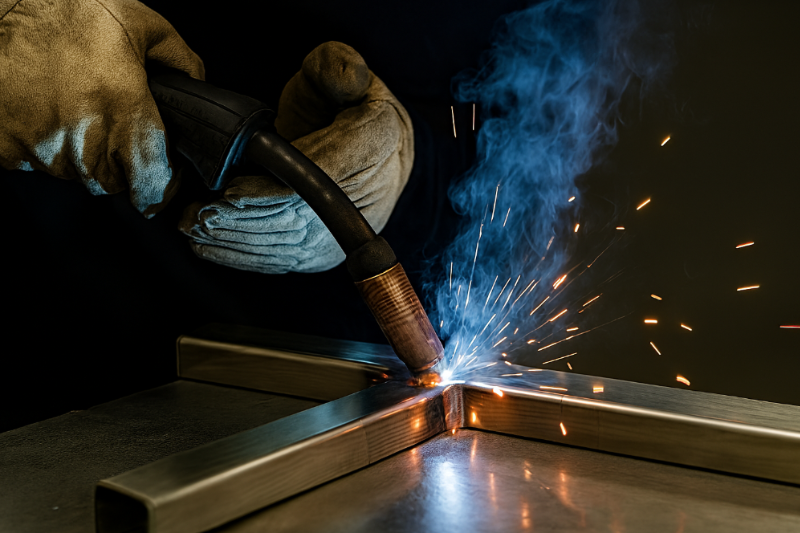
Yes, stainless steel can be welded. It’s a highly weldable material when the right techniques, filler metals, and heat controls are used. Stainless steel welding is commonly done through TIG, MIG, or spot welding, ensuring strong, corrosion-resistant joints especially important for Singapore’s humid and coastal environments.
Just like stainless steel, aluminium can also be welded but it requires different techniques and shielding gases.
Why Stainless Steel Is Weldable
Stainless steel contains chromium, which forms a natural protective layer that resists rust. When welded correctly, this layer can be maintained, giving stainless steel parts exceptional strength and corrosion resistance.
However, improper welding such as overheating or contamination can cause warping or reduce corrosion resistance. That’s why welding stainless steel requires expertise and precise temperature control.
Types of Welding for Stainless Steel
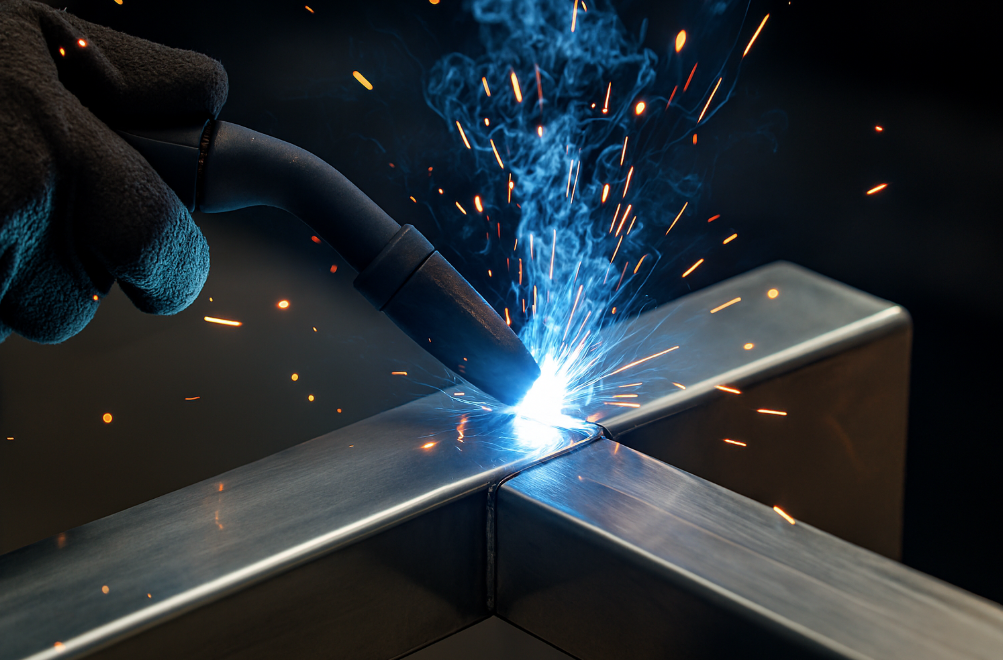
Stainless steel can be welded using several methods, the most common being TIG (GTAW), MIG (GMAW), Spot Welding, and Stick Welding (SMAW). Each process has specific strengths depending on your project’s requirements such as material thickness, surface finish, and production speed.
TIG Welding (Gas Tungsten Arc Welding – GTAW)
- Best for: High-precision and aesthetic welds
- Common stainless grades: 304, 316, 321
TIG welding is the most precise and clean method for stainless steel. It uses a non-consumable tungsten electrode and a separate filler rod, allowing the welder to control every detail of the weld pool. Argon gas (sometimes with helium) shields the weld from oxygen, preventing discoloration or oxidation.
Advantages:
- Produces smooth, clean, and spatter-free welds
- Excellent for thin sheets and visible joints
- Superior control over heat and penetration
- Ideal for architectural finishes and custom stainless steel enclosures
Welded stainless steel structures often include components like stainless steel u-channels which provide strength and support in architectural or industrial designs.
Example: TIG welding is often used for food-grade equipment, kitchen countertops, and marine fixtures in Singapore where hygiene and appearance matter.
MIG Welding (Gas Metal Arc Welding – GMAW)
- Best for: Speed and productivity
- Common stainless grades: 304, 316
MIG welding uses a continuous wire feed electrode and shielding gas, making it faster and more efficient for large-scale projects. It’s ideal for medium to thick materials and industrial fabrication where speed and consistency are essential.
Advantages:
- High deposition rate (faster welding)
- Suitable for production environments
- Easier to learn and automate
- Produces strong, consistent welds
Example: Many Singapore fabrication workshops use MIG welding for industrial frames, tanks, and machine components that require durability but not mirror finishes.
Spot Welding (Resistance Welding)
- Best for: Thin stainless steel sheets (≤3 mm)
- Common stainless grades: 304, 430
Spot welding joins two thin sheets using electrical resistance and pressure. The metal heats up and fuses at the contact point without using filler metal. It’s widely used in sheet metal fabrication, appliances, and automotive parts.
Advantages:
- Very fast and efficient for sheet applications
- No filler or shielding gas required
- Strong welds for overlapping joints
- Ideal for mass production of enclosures or cabinets
Example: At The Monster Builder, spot welding is commonly used for stainless steel control boxes, brackets, and electrical enclosures.
Stick Welding (Shielded Metal Arc Welding – SMAW)
- Best for: Outdoor or heavy-duty structural work
- Common stainless grades: 308, 316, 309
Stick welding uses a flux-coated electrode that melts to create both the weld and the protective gas shield. It’s more versatile than TIG or MIG and can be performed even in windy or outdoor conditions.
Advantages:
- Works well in outdoor environments
- Suitable for thicker stainless steel sections
- Portable and cost-effective
- Produces durable, strong welds
Example: Stick welding is often used in construction, piping systems, and marine repair in Singapore where portability and reliability are key.
Laser Welding (Advanced Industrial Use)
- Best for: Precision and automation
- Common stainless grades: 304, 316L
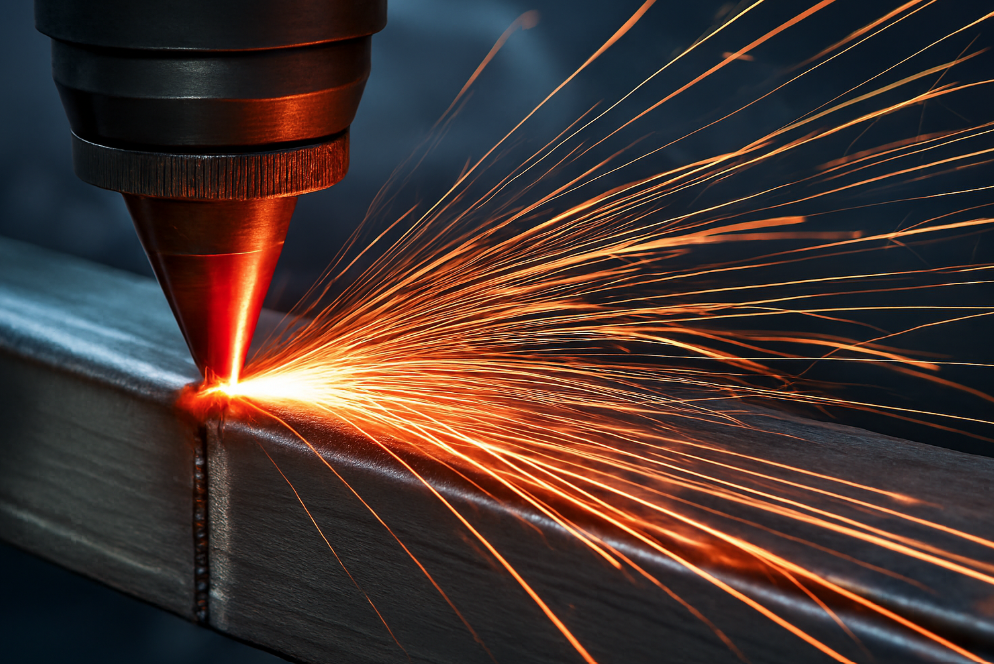
Laser welding uses a high-powered laser beam to fuse stainless steel with minimal heat distortion. It’s gaining popularity in Singapore’s advanced manufacturing sector for medical devices, electronics, and precision components.
Advantages:
- Extremely precise with minimal heat input
- Excellent for automation and robotic welding
- Produces clean welds needing little post-processing
How Stainless Steel Is Welded
Preparation and Cleaning
Before welding, stainless steel surfaces must be completely clean and free of contaminants such as oil, grease, or iron dust. Contamination from tools used on mild steel can cause rust spots, a common issue if not managed properly.
At The Monster Builder, our team uses dedicated stainless steel tools and cleaning processes to ensure welds remain corrosion-resistant.
Controlling Heat Input
Stainless steel has low thermal conductivity, meaning it retains heat longer than carbon steel. If the heat input is too high, it can lead to distortion or warping.
Using precise temperature control and back-purging techniques, our welders ensure consistent and clean welds without burning off chromium (the element that prevents rust).
Choosing the Right Filler Metal
The right filler material is essential for strong welds:
- ER308L for 304 stainless steel
- ER316L for 316 stainless steel
Matching filler metals help prevent corrosion and cracking, especially under Singapore’s tropical climate.
Shielding Gas Selection
Argon or argon-helium gas mixtures are commonly used to protect the molten weld pool from oxidation. This ensures a smooth finish and longer lifespan for your components.
Post-Weld Cleaning and Passivation
After welding, surfaces are mechanically brushed and chemically passivated to restore the protective chromium oxide layer. This step is crucial to prevent future rust and discoloration.
Choosing between stainless and carbon steel for welding? Learn more in our guide on stainless steel vs carbon steel.
Applications of Stainless Steel Welding in Singapore
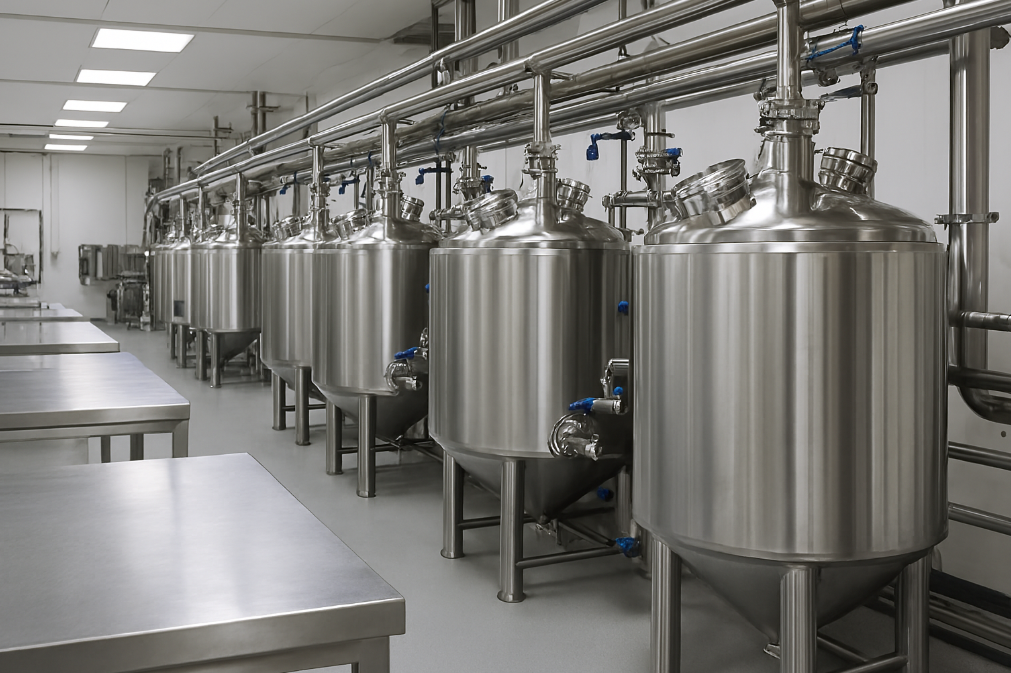
Many industries in Singapore rely on stainless steel fabrication:
- Architecture: Handrails, facades, and canopy structures
- Marine: Boat fittings and coastal installations
- Food & Beverage: Processing tables and tanks
- Industrial: Machine frames and enclosures
Example: Stainless steel fixtures for Sentosa’s marinas or Jurong Port facilities are commonly welded to AWS D1.6 standards for marine-grade performance.
Not all projects require stainless steel, some use mild steel round bars for easier machining and lower cost.
Choose Monster Builder for Stainless Steel Welding
We handle everything from design consultation to fabrication and finishing, ensuring your stainless steel components meet both functional and aesthetic requirements.
Whether you’re creating a custom frame, enclosure, or architectural structure, The Monster Builder’s stainless steel welding services in Singapore can help you bring your project to life. Request a free quote today and get professional fabrication support from start to finish.